
Risk Management: Protecting Capital For Long-Term Trading Success
Introduction Many traders focus heavily on profits but ignore the importance of protecting their capital. Risk management is one of

Introduction Many traders focus heavily on profits but ignore the importance of protecting their capital. Risk management is one of
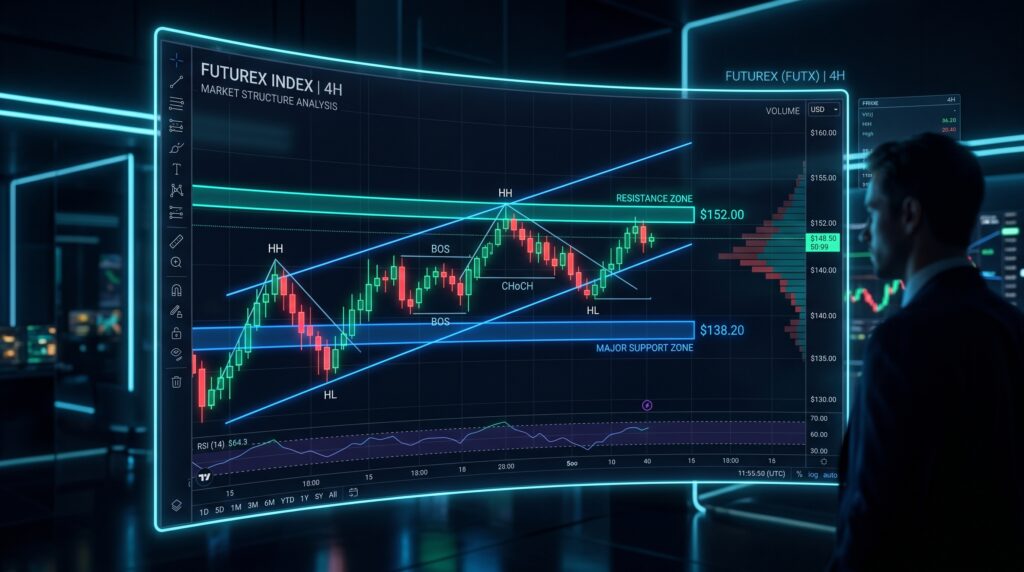
Introduction Many beginner traders focus only on indicators while ignoring the actual structure of the market. Understanding market structure is

Introduction
Successful trading is not only about strategies, indicators, or finding the perfect entry point. One of the biggest reasons traders struggle in the financial markets is emotional decision-making. Fear, greed, impatience, and overconfidence can easily influence trading behavior and lead to inconsistent results. Developing emotional discipline is often what separates long-term traders from those who continuously repeat the same mistakes.
Why Trading Psychology Matters
Markets move fast, and emotions can change even faster. Many traders enter positions impulsively, close trades too early, or hold losing positions for too long because emotions take control. Without a strong mindset, even the best trading strategy can fail under pressure.
Trading psychology helps traders:
Stay calm during volatility
Follow structured strategies
Reduce impulsive decisions
Build consistency over time
Improve confidence and patience
Common Emotional Trading Mistakes
One of the most common mistakes is revenge trading. After taking a loss, traders often try to recover money quickly by forcing unnecessary trades. Another major issue is fear of missing out (FOMO), where traders enter trades late because they fear losing an opportunity.
Other emotional mistakes include:
Overtrading
Ignoring stop losses
Chasing the market
Trading without a plan
Letting greed control exits
Building Emotional Discipline
Emotional discipline takes time and practice. Successful traders focus on following their process rather than chasing quick profits. A structured routine, proper risk management, and patience can significantly improve trading consistency.
Ways to strengthen trading psychology:
Create a trading plan
Use proper risk management
Accept losses as part of trading
Avoid emotional reactions
Focus on long-term improvement
Conclusion
Trading success starts with mastering your mindset. The market will always test patience, discipline, and emotional control. Traders who learn to manage emotions and remain consistent are more likely to survive and grow in competitive financial markets.